Seaglassing

Seven years ago my longest relationship came to an abrupt end. Capacious as it was chaotic, it shattered and scattered us both. For years we had shared a love of finding and collecting sea glass from the coasts. Pembroke, Southwold, Purbeck. We filled a jar of glass and memory. When she left, the glass went with her.
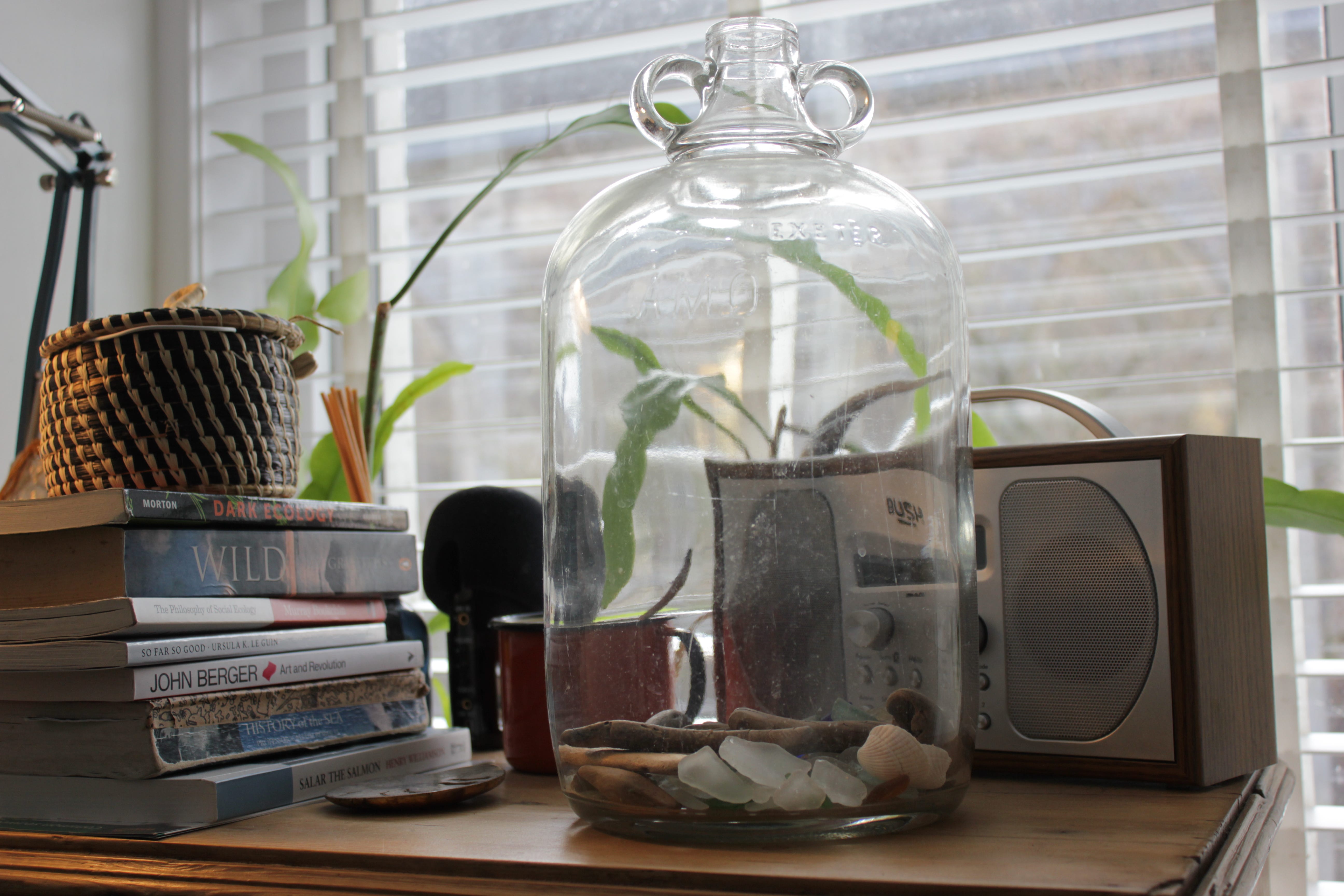
Recently, my friend gifted me an empty demijohn. To begin the collection again. Used for storing fermented substances, this bulbous glass jar with a fluted neck and two ear like rings for handles, was most likely over one hundred years old. It would take years to fill with sea glass. An end is always a beginning.
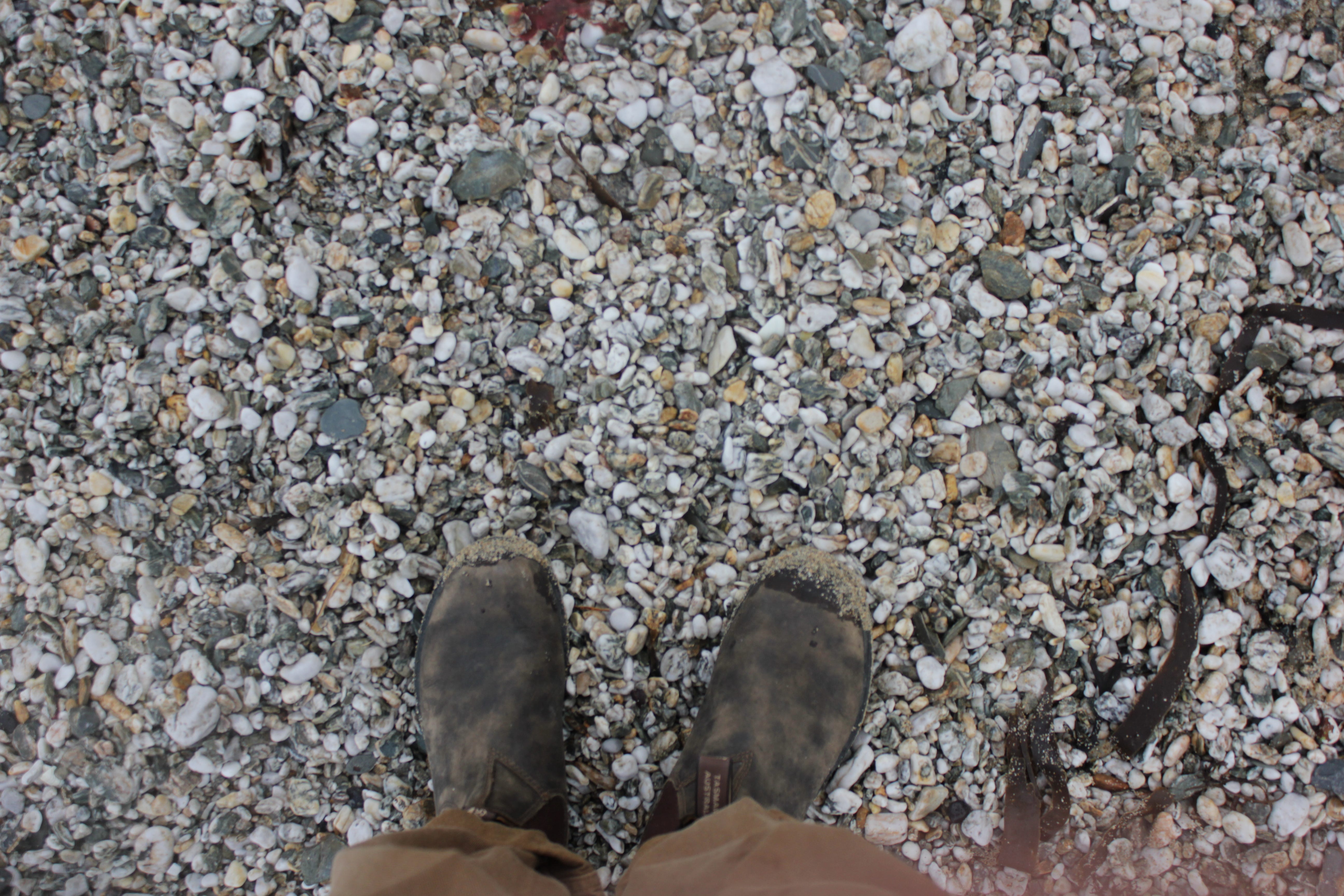
There is an ocean of scientific evidence reflecting the mental and physical health benefits of dawdling coastlines. Often citing the feeling of awe and ‘emotional restoration’. PTSD UK specifically extol the power of sea glass foraging for soothing complex trauma. Seaglassing is a sanctuary my mind often returns to when flattened and overwhelmed. Meandering gently, head down. Ears bathing in the rhythmic breath of the swash. Lungs filling with salt air. The frantic nature of mind both calmed and engaged with the endless diversity of colours and shapes in the galaxy of sand and stones. The delayed gratification and dopamine gift when failing or finding. Mostly failing. Regulating my nervous system, while providing a singular form of therapy and reflection.
The demijohn is perhaps one tenth full. The walk to recovery from complex trauma is often long, but the process can be profound. Building back to a full jar of more beauty than the one that was broken. I will always choose to make that walk along the shore. Searching for glass.